Interplace, Brighton photo fringe
Co-curator, identity design, photography
Interplace was a participatory photographic installation pitched to the Brighton Photo Fringe festival theme: Real Utopias. Collaborating with artist Eloise Calandre, we delivered an ambitious, community-focused, evolving exhibition. The brief was to respond to the festival’s theme while creating work that connected with the local community and encouraged active public participation.
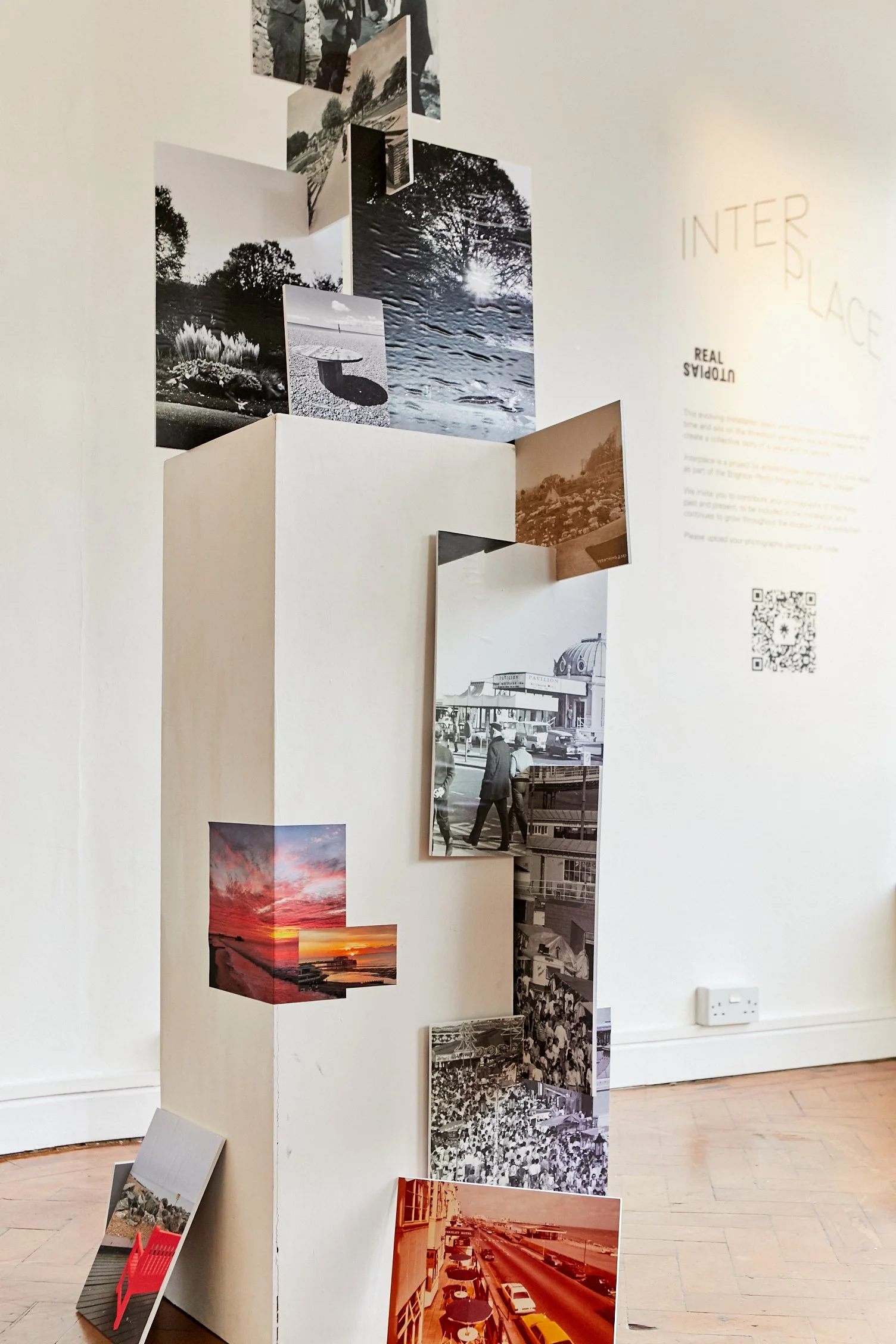
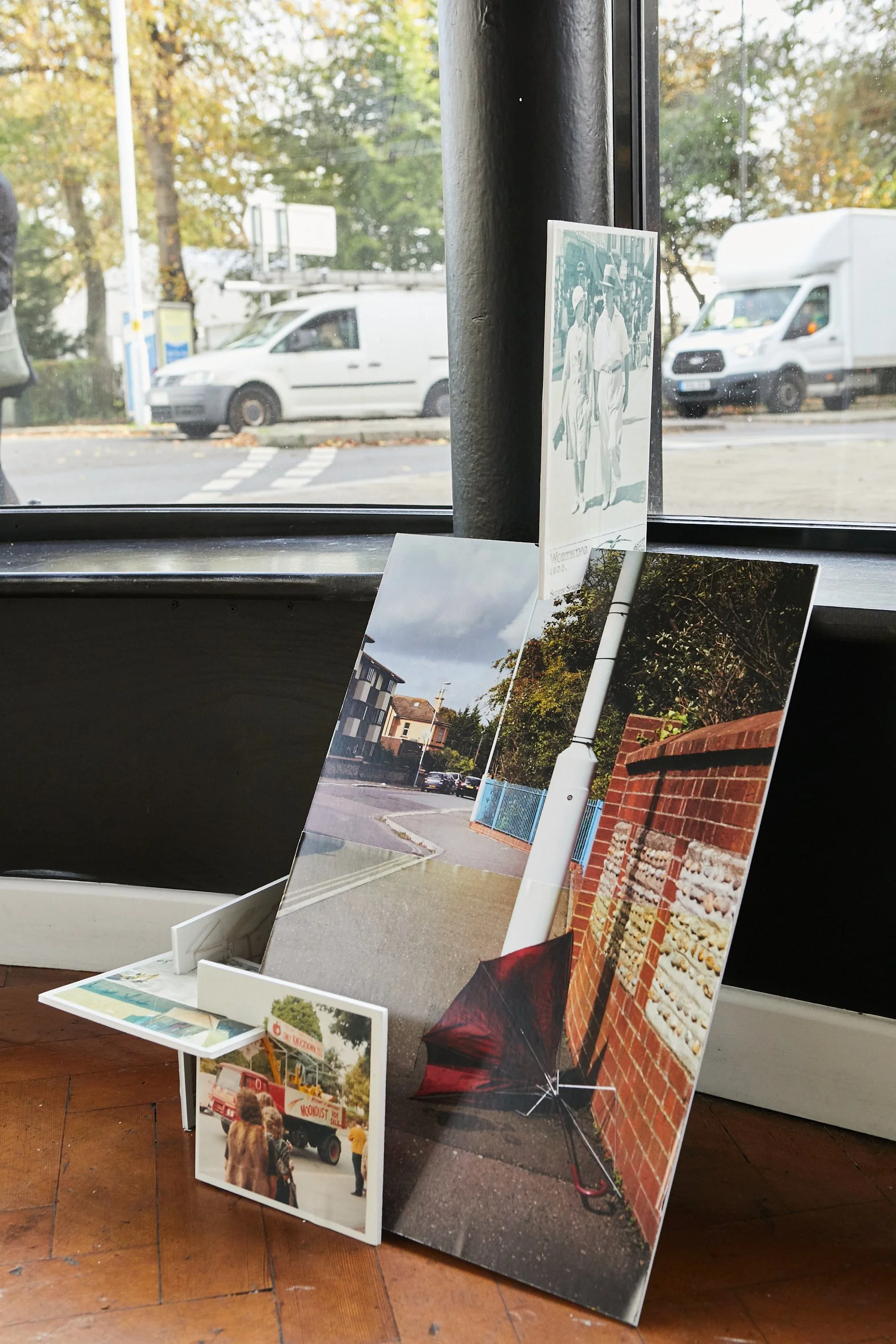
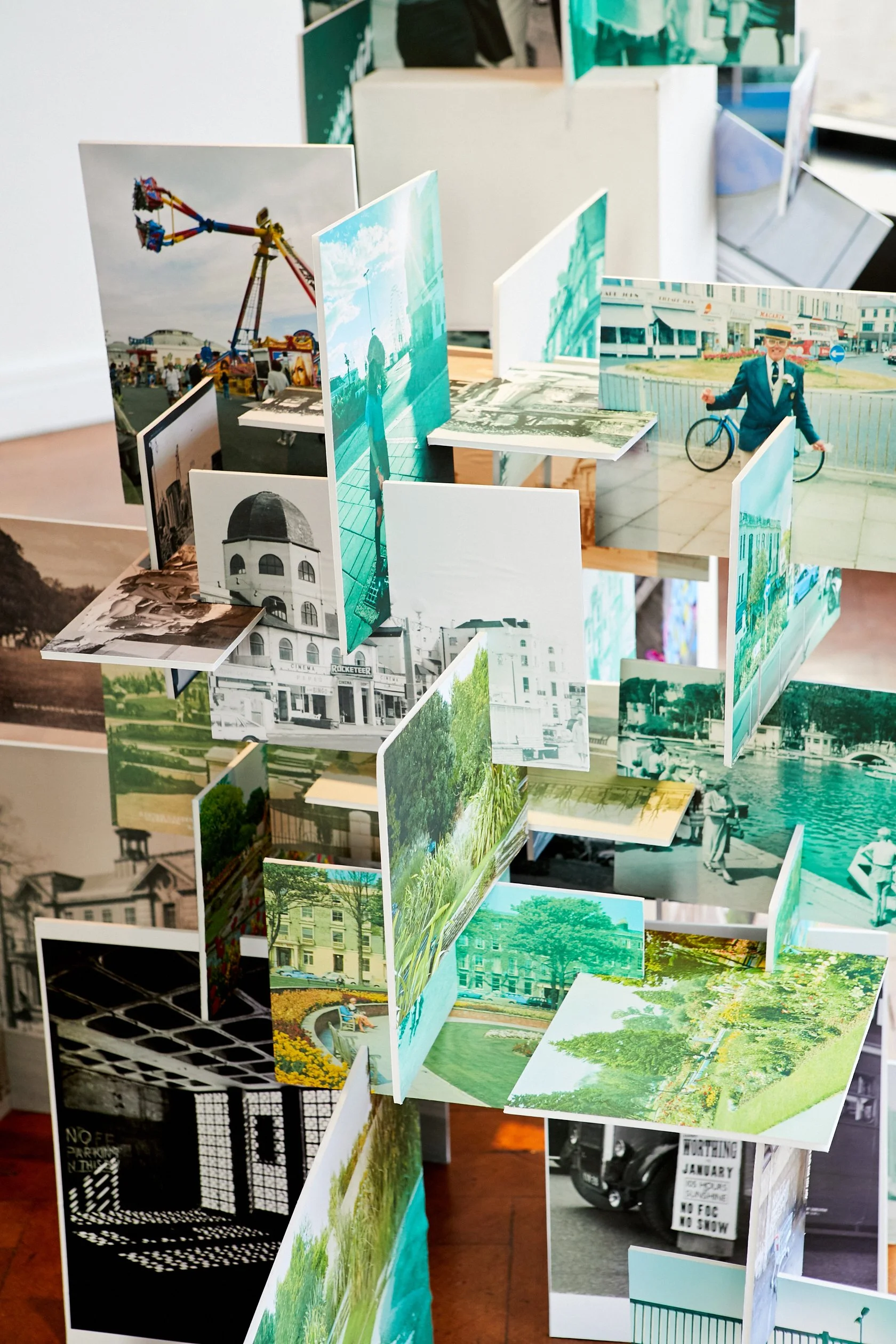
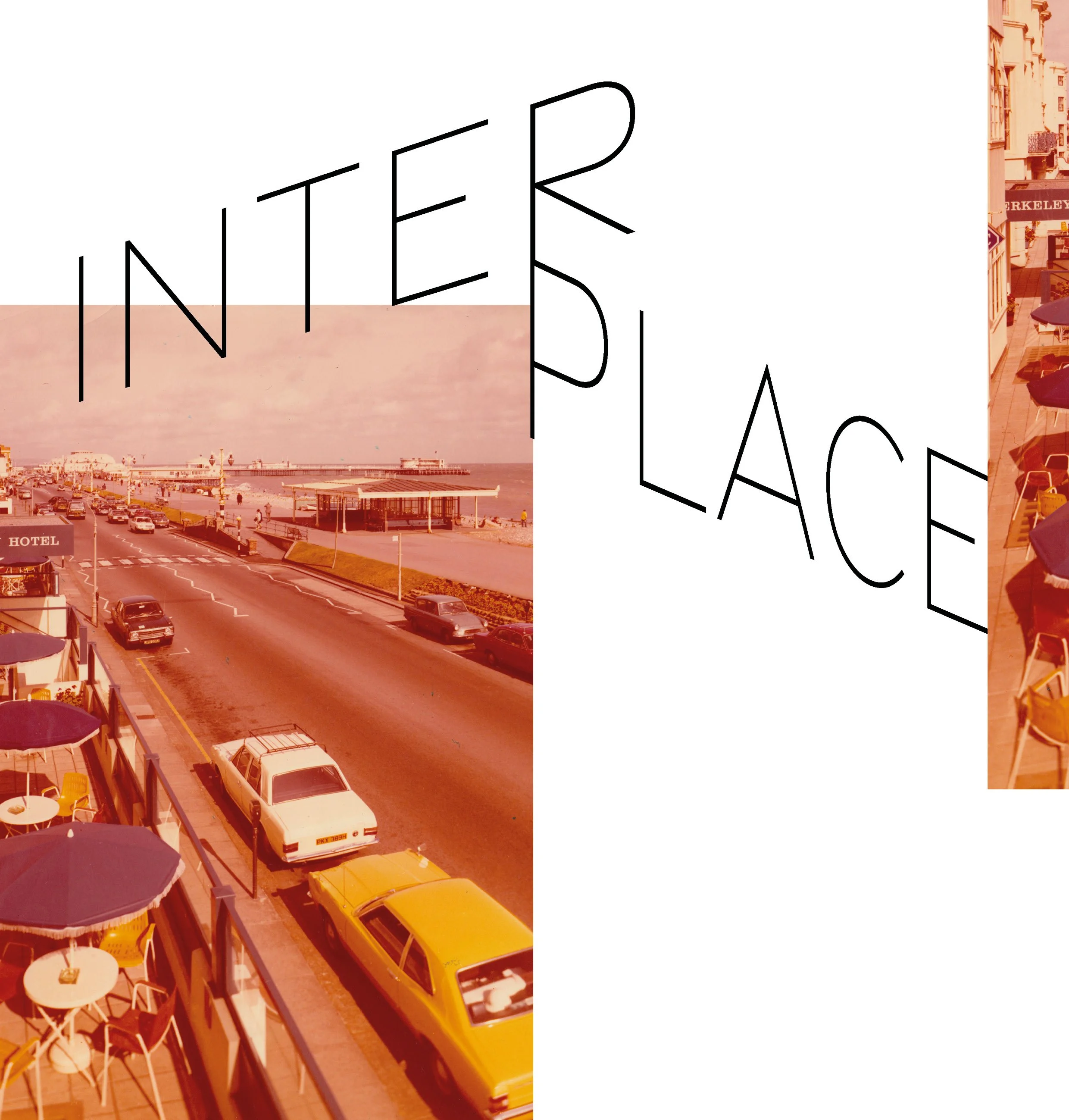
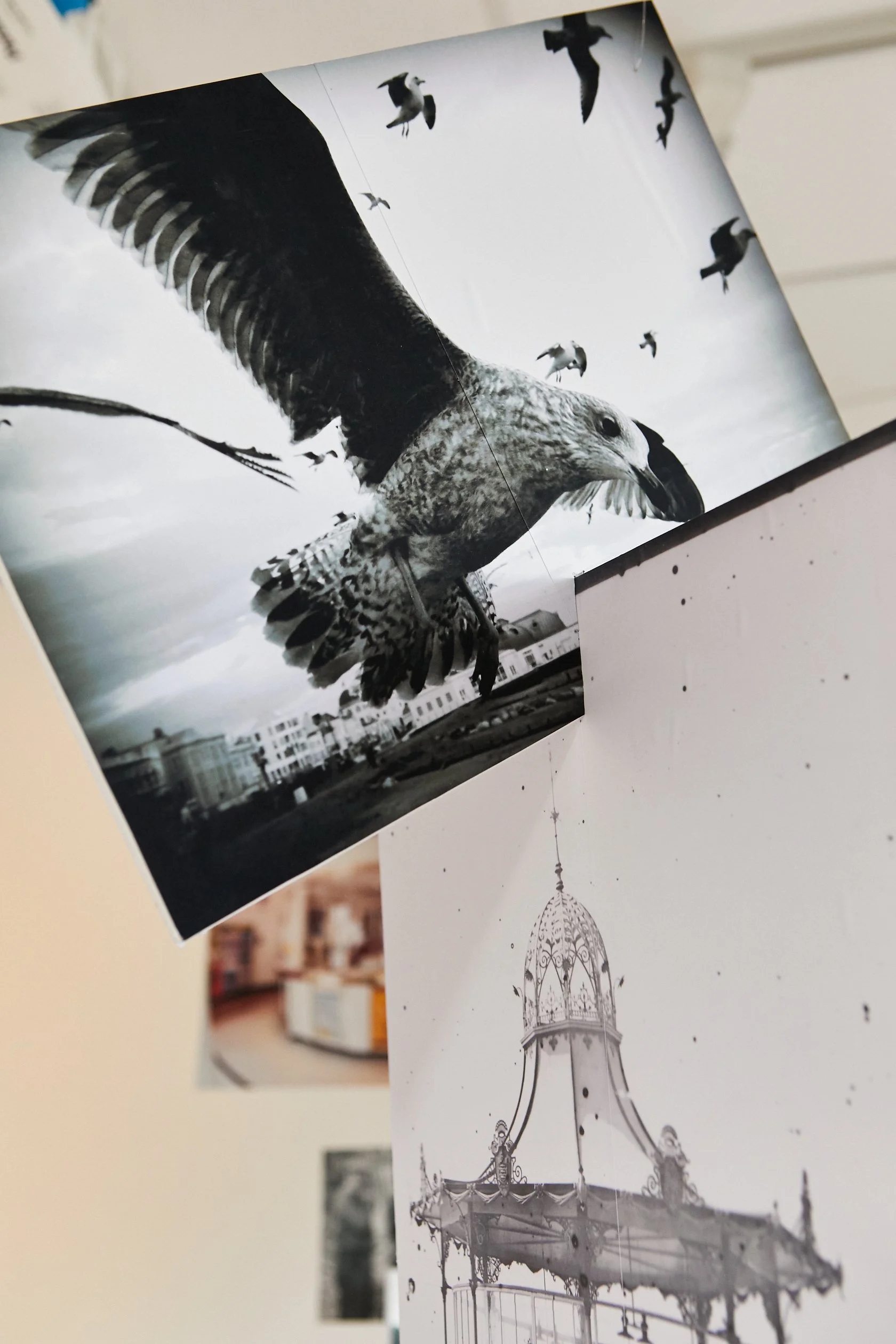
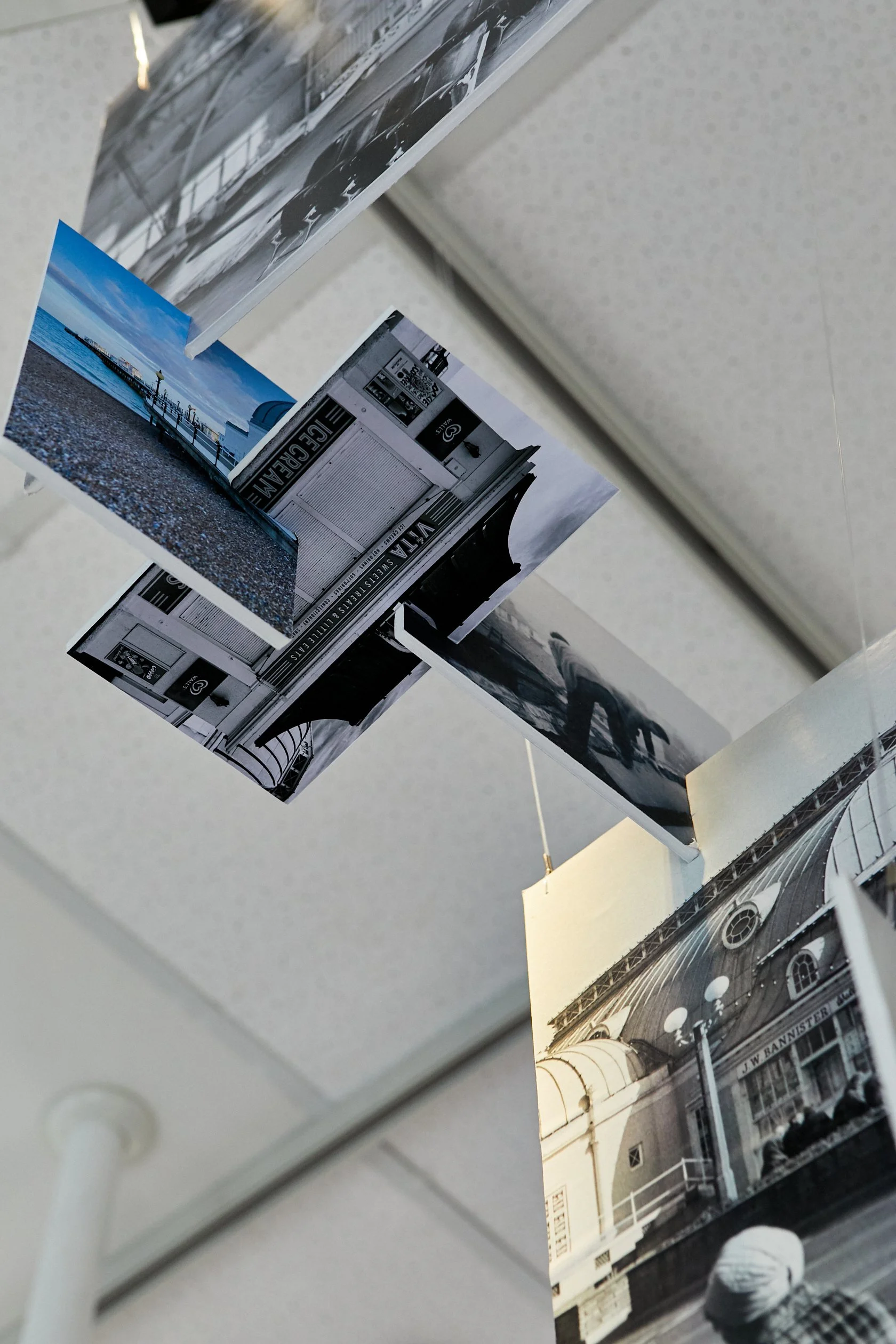
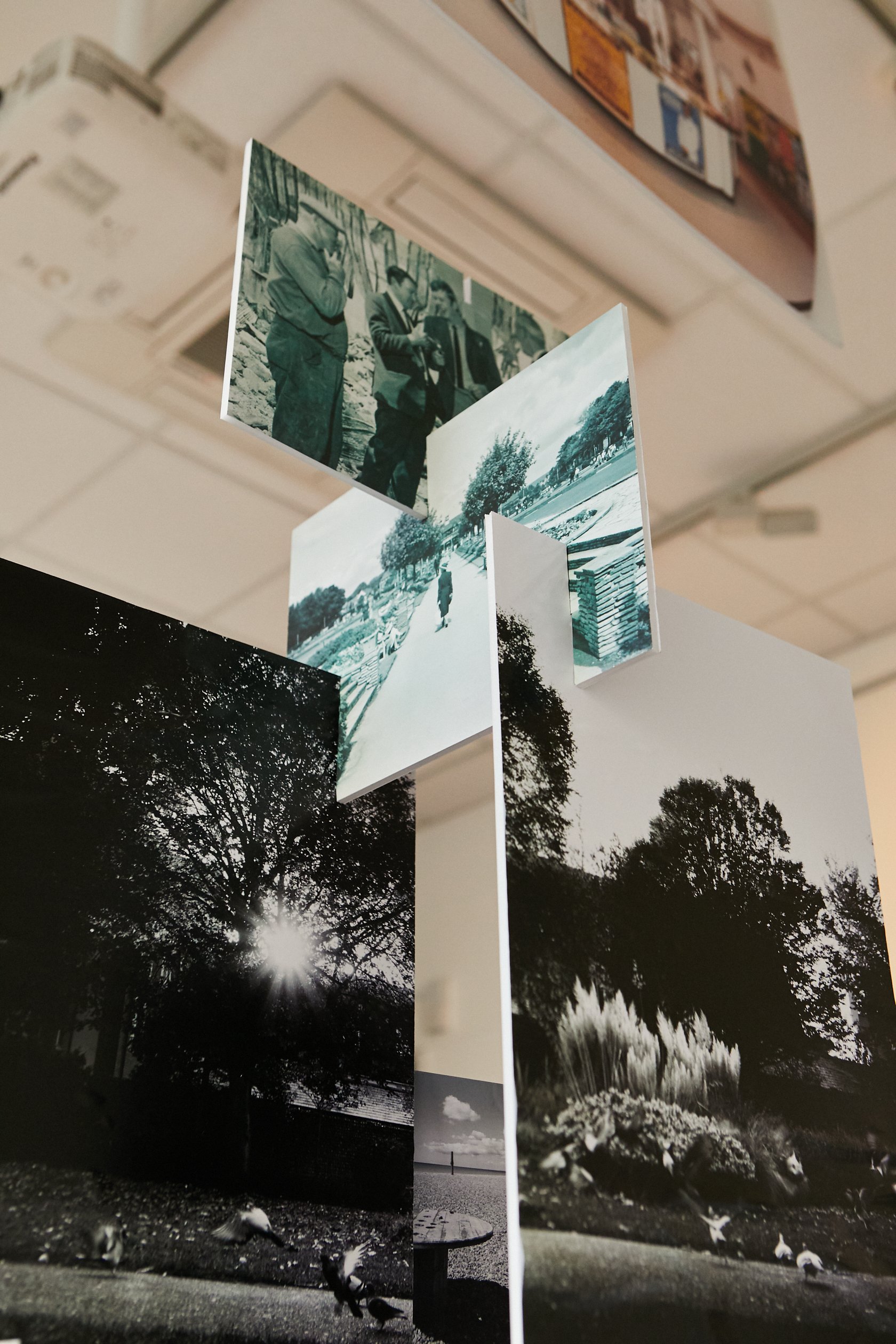
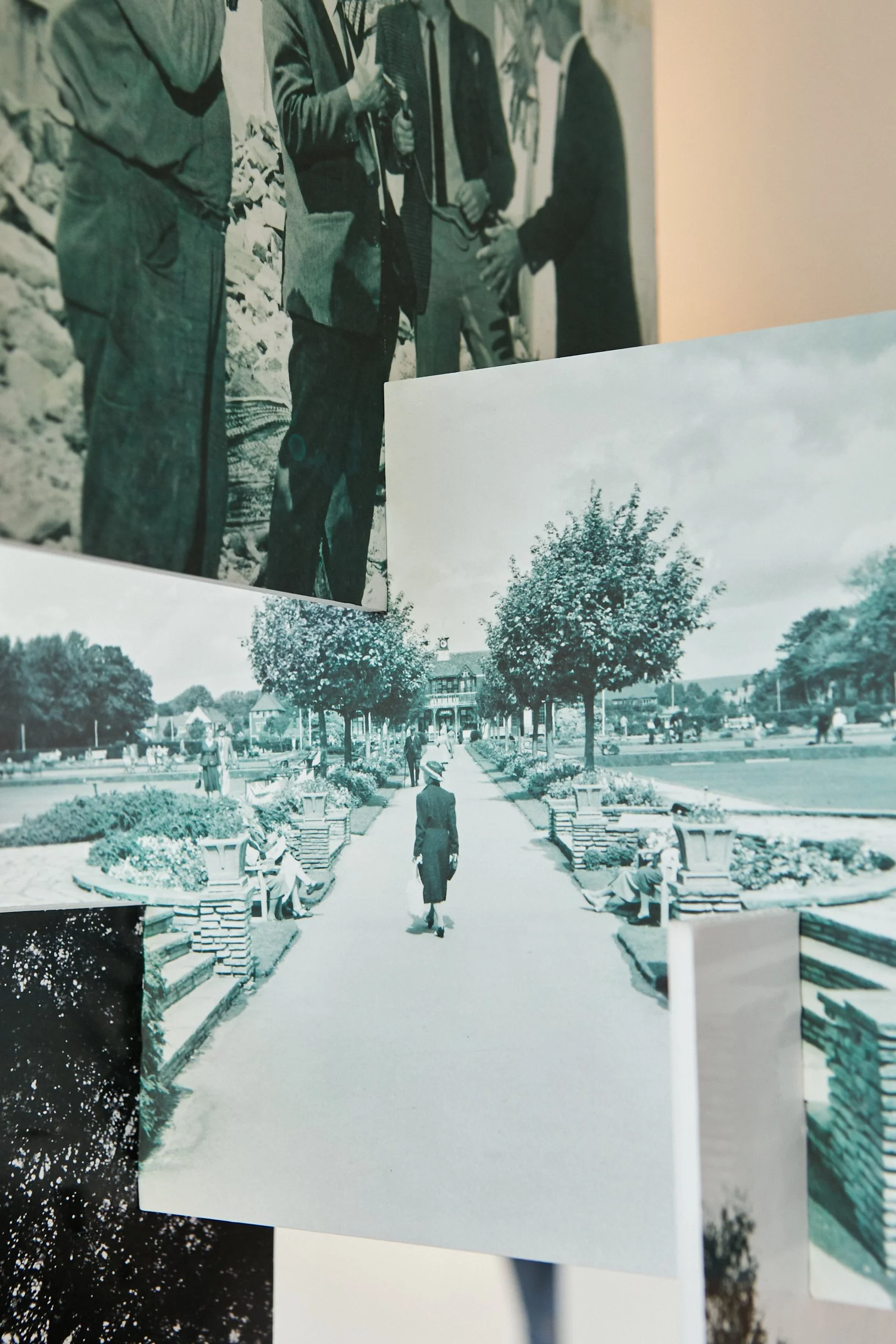
Our concept was to explore how collective memory and identity to place takes shape through imagery. Our starting material came from the archives of Worthing Museum; historical photographs showing the social, and cultural landscape of the town. These images became the foundation of the evolving installation that linked past and present through photography.
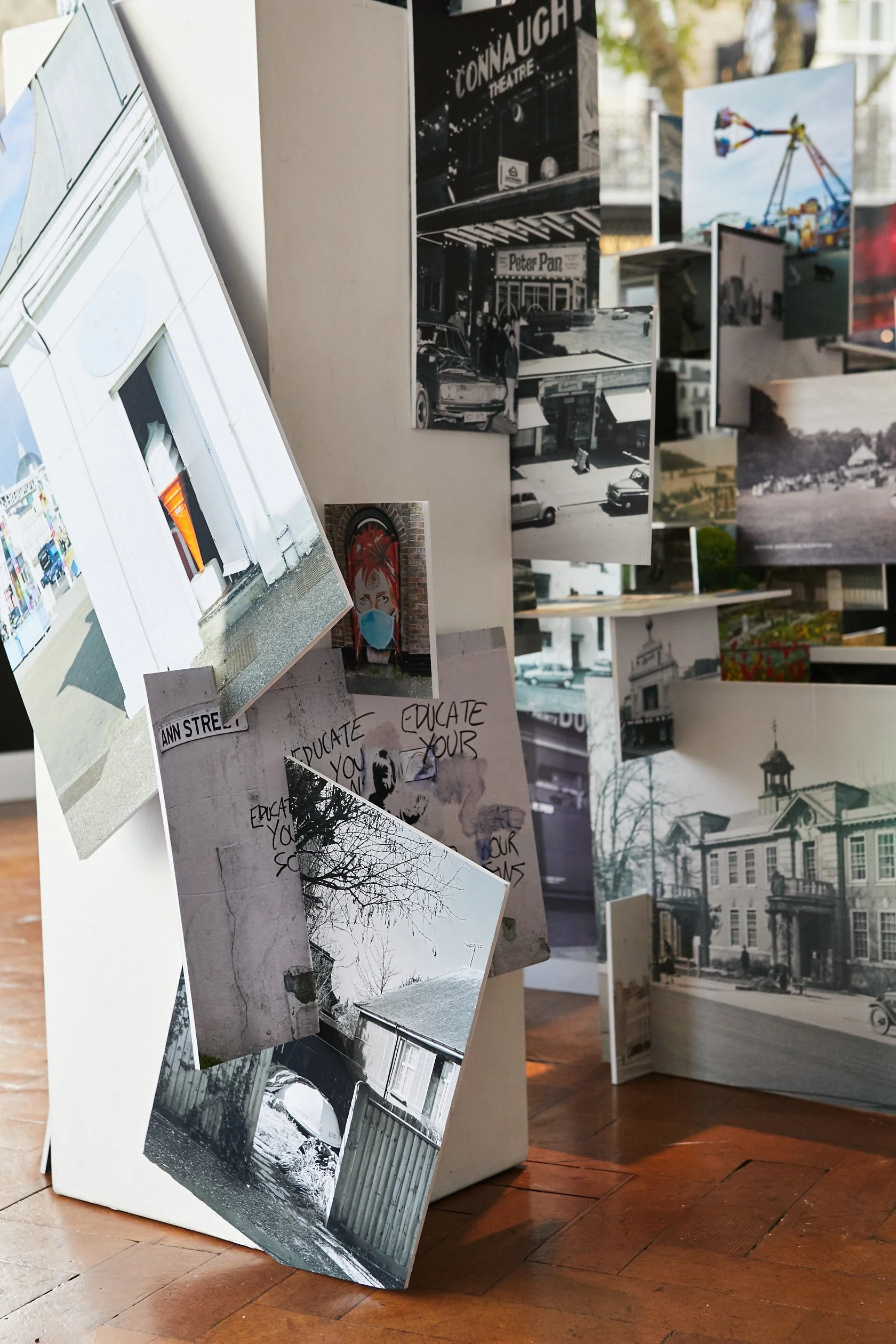
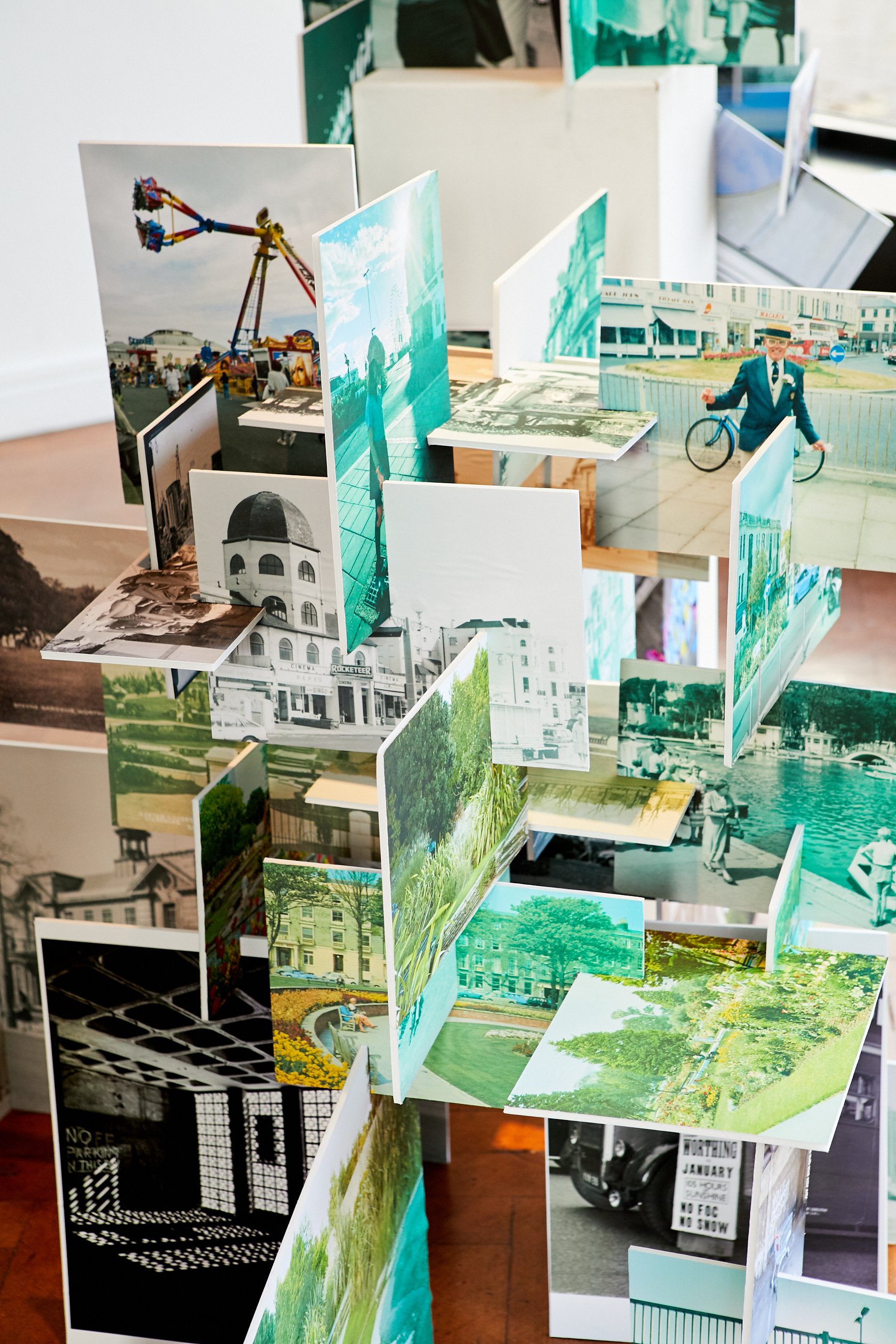
Bringing the community into the process, we invited residents to contribute their own photographs and memories of Worthing. Each submission was printed and physically integrated into a lattice structure alongside the archival material, weaving together new and old narratives and creating new compositions into live collaborative artwork.
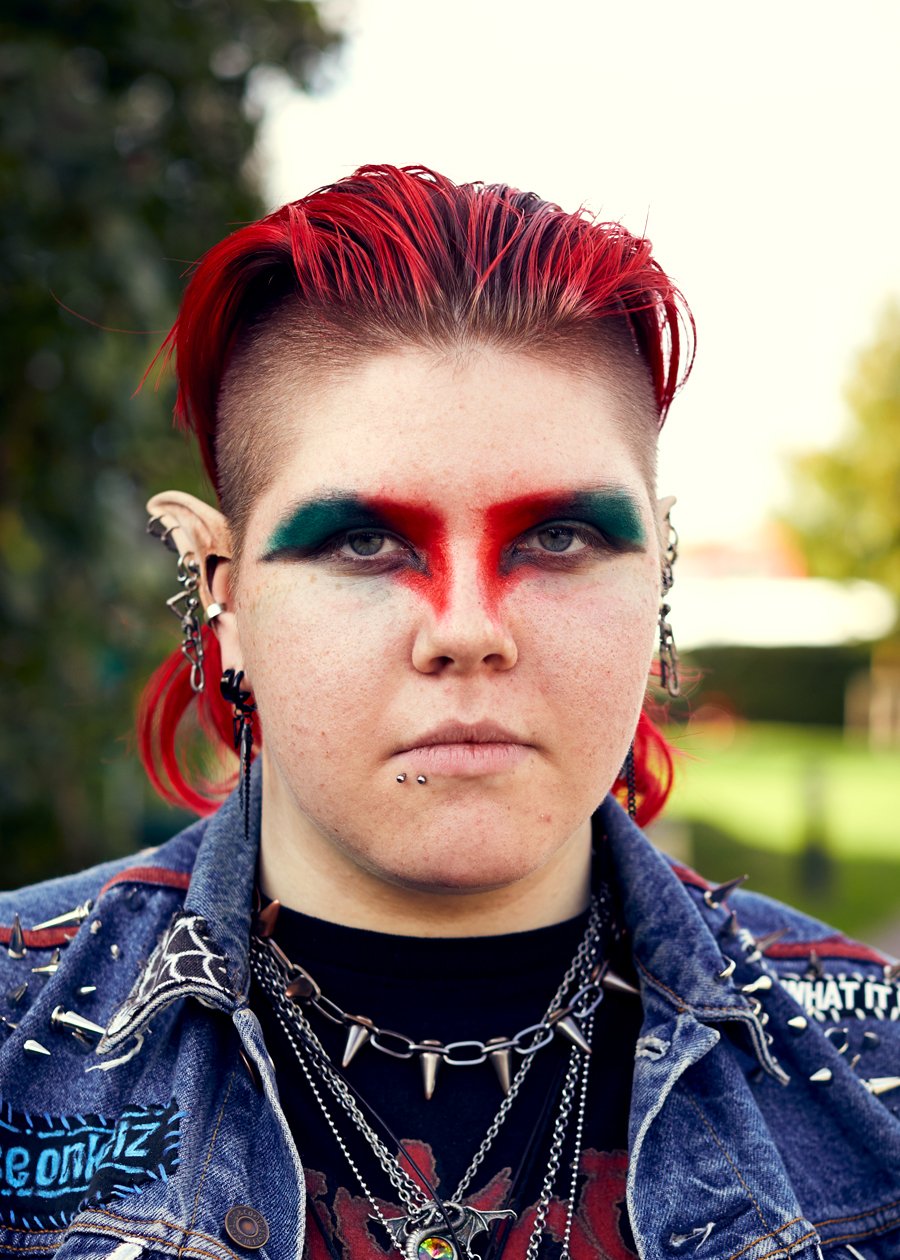
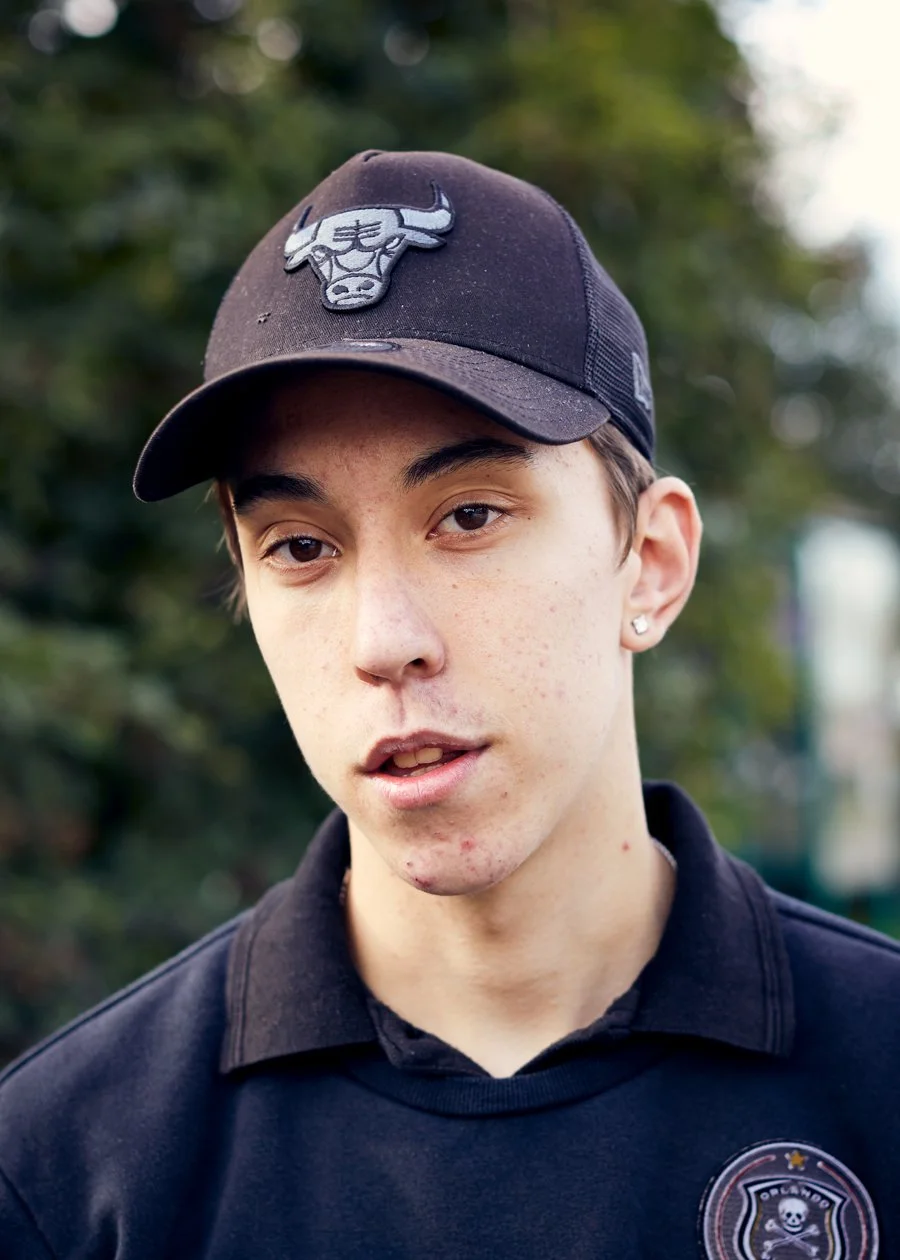
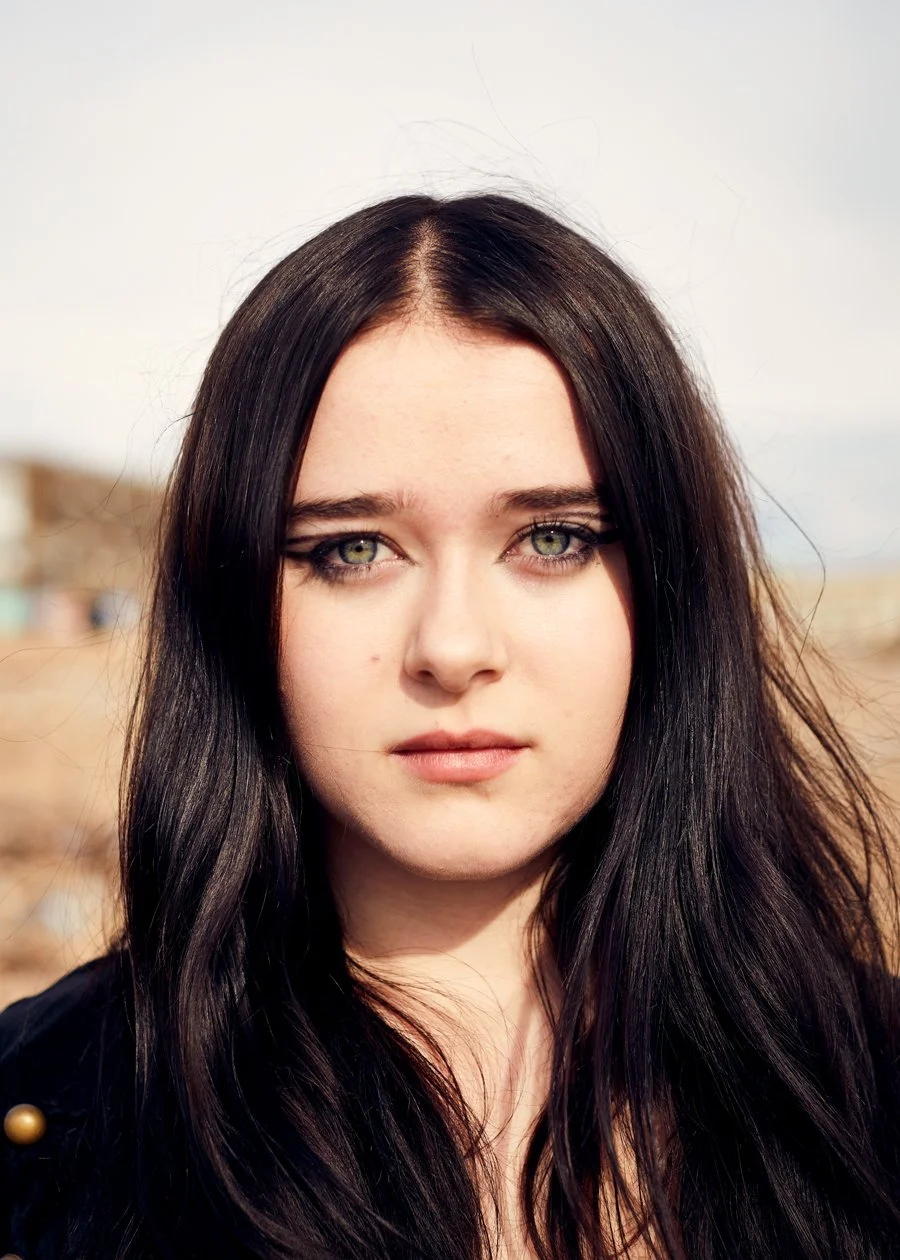
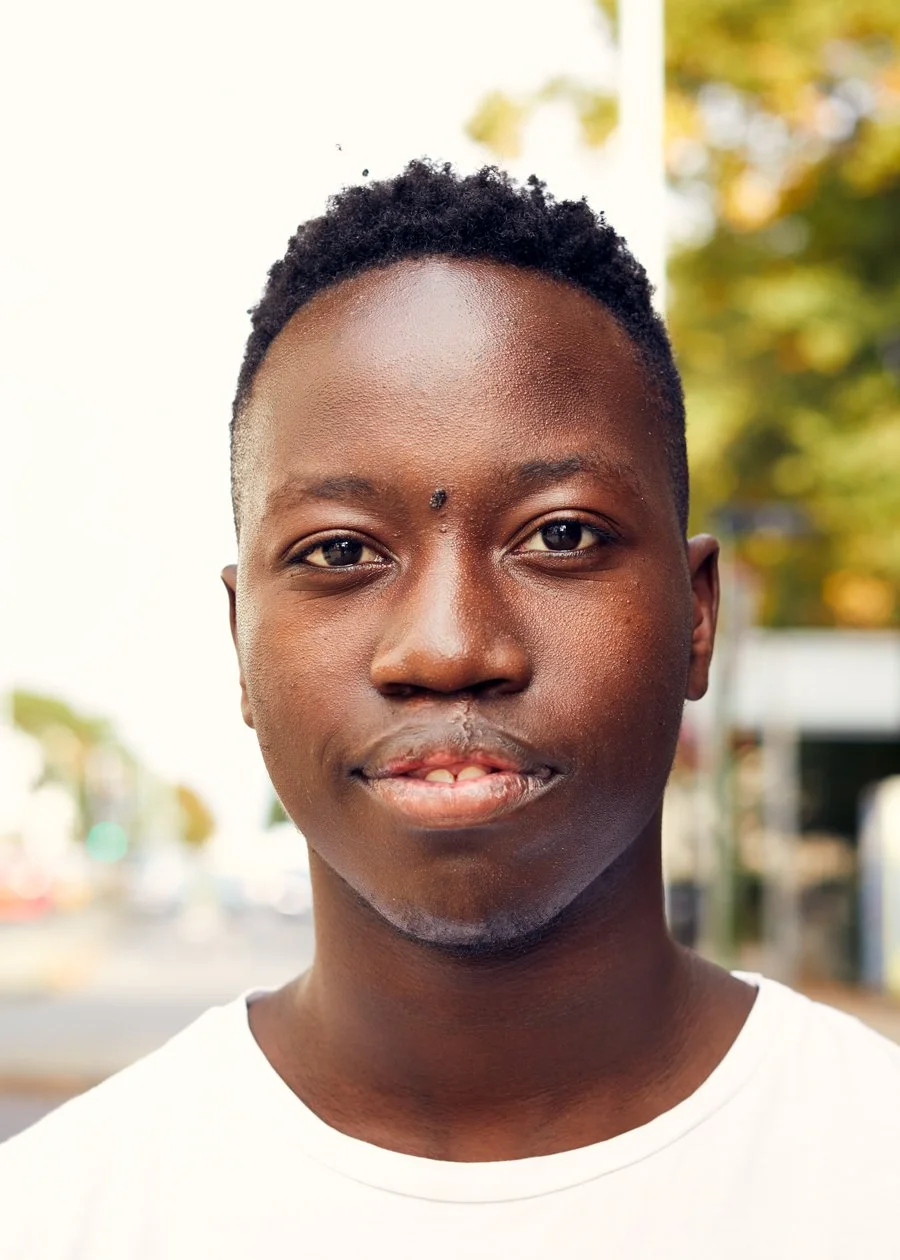
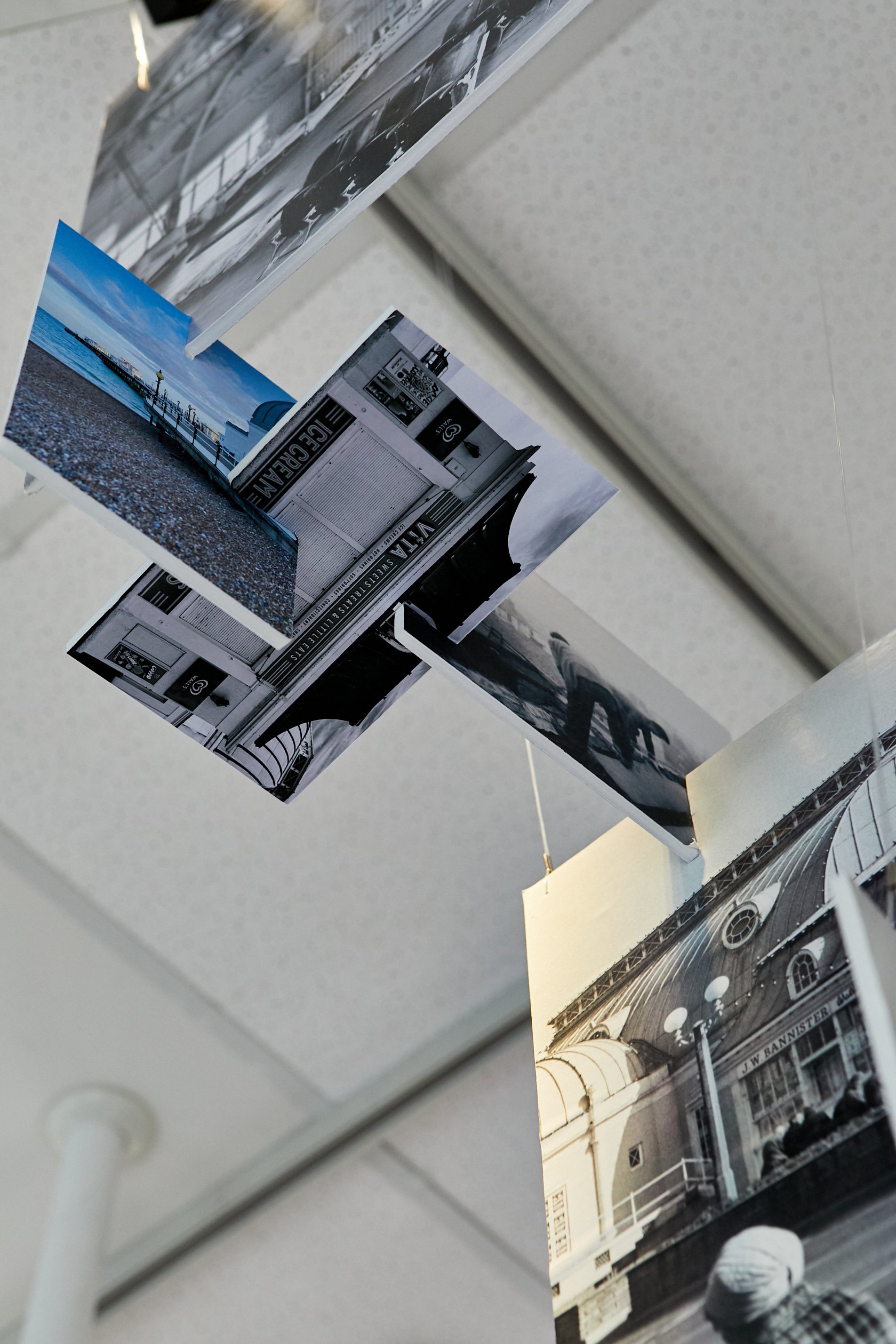
The execution of the project required careful planning and creative problem-solving to maximise limited resources. Working within the small budget, we designed and built the modular grid using inexpensive, adaptable materials, which allowed the structure to grow as participation increased.
Over the course of a month at Colonnade House, the installation expanded daily as more members of the public added their stories and images.
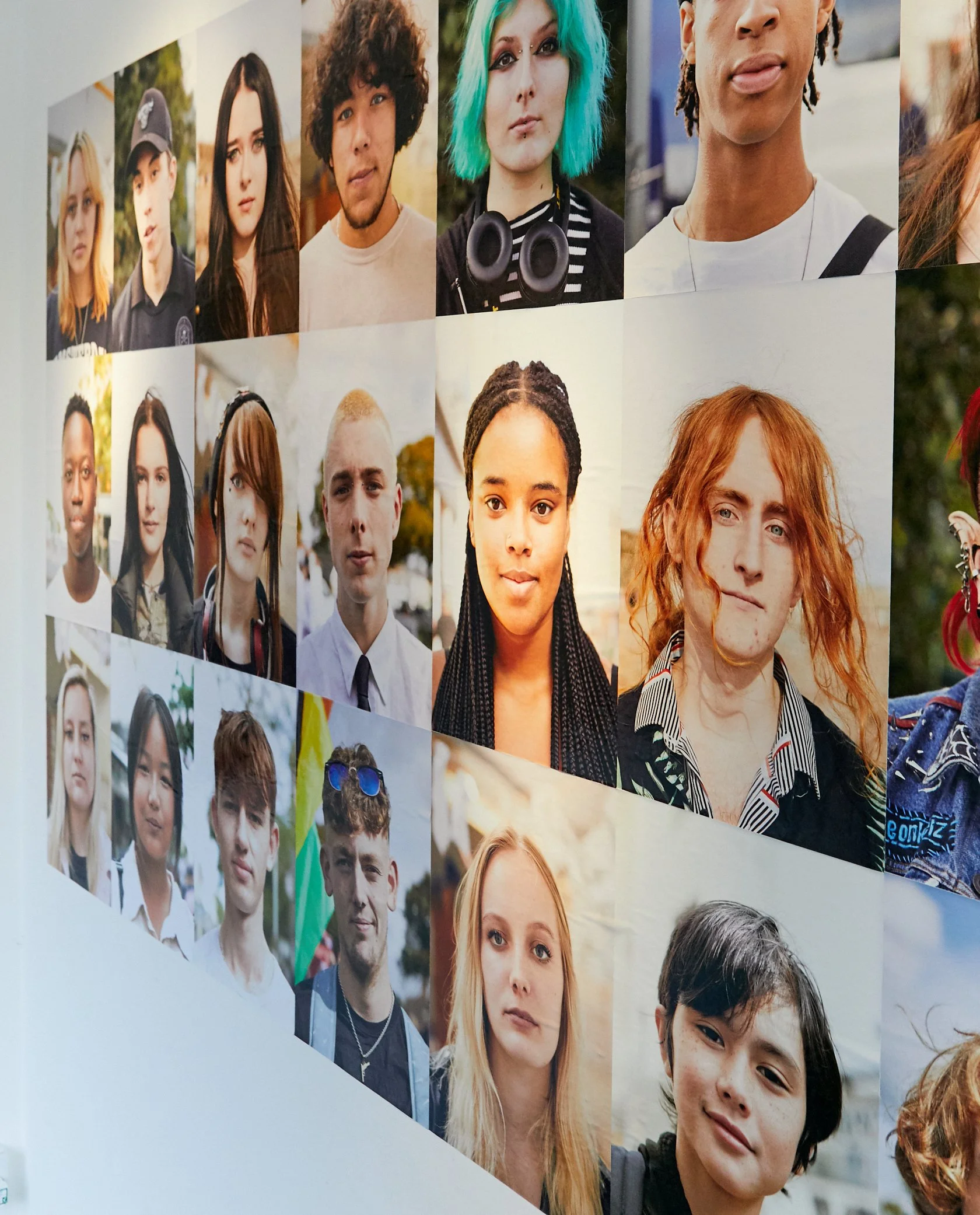
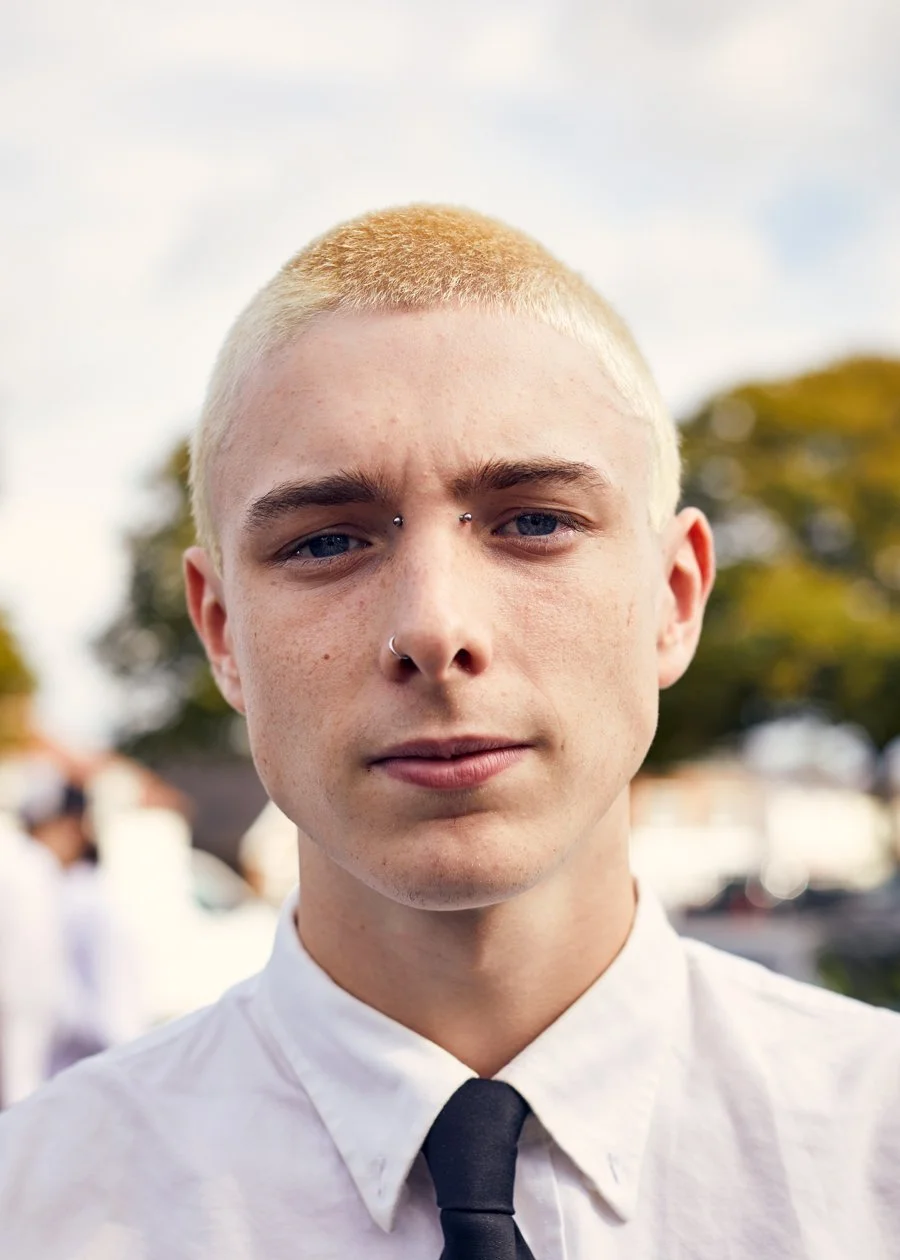
In the adjoining gallery space, we presented a series of new photographic portraits of young people from Worthing, showing a forward-looking vision of the town’s identity, creating a intergenerational dialogue.
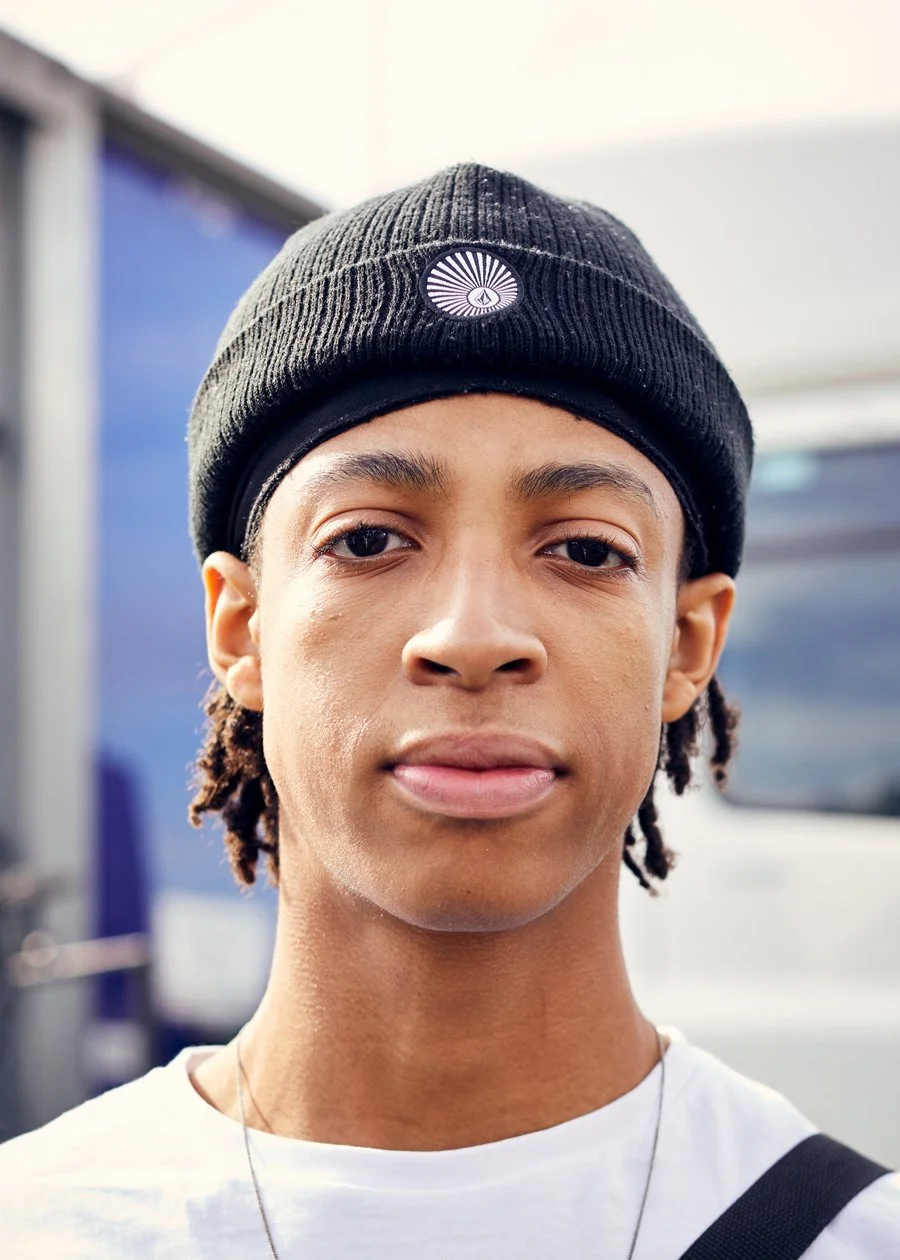
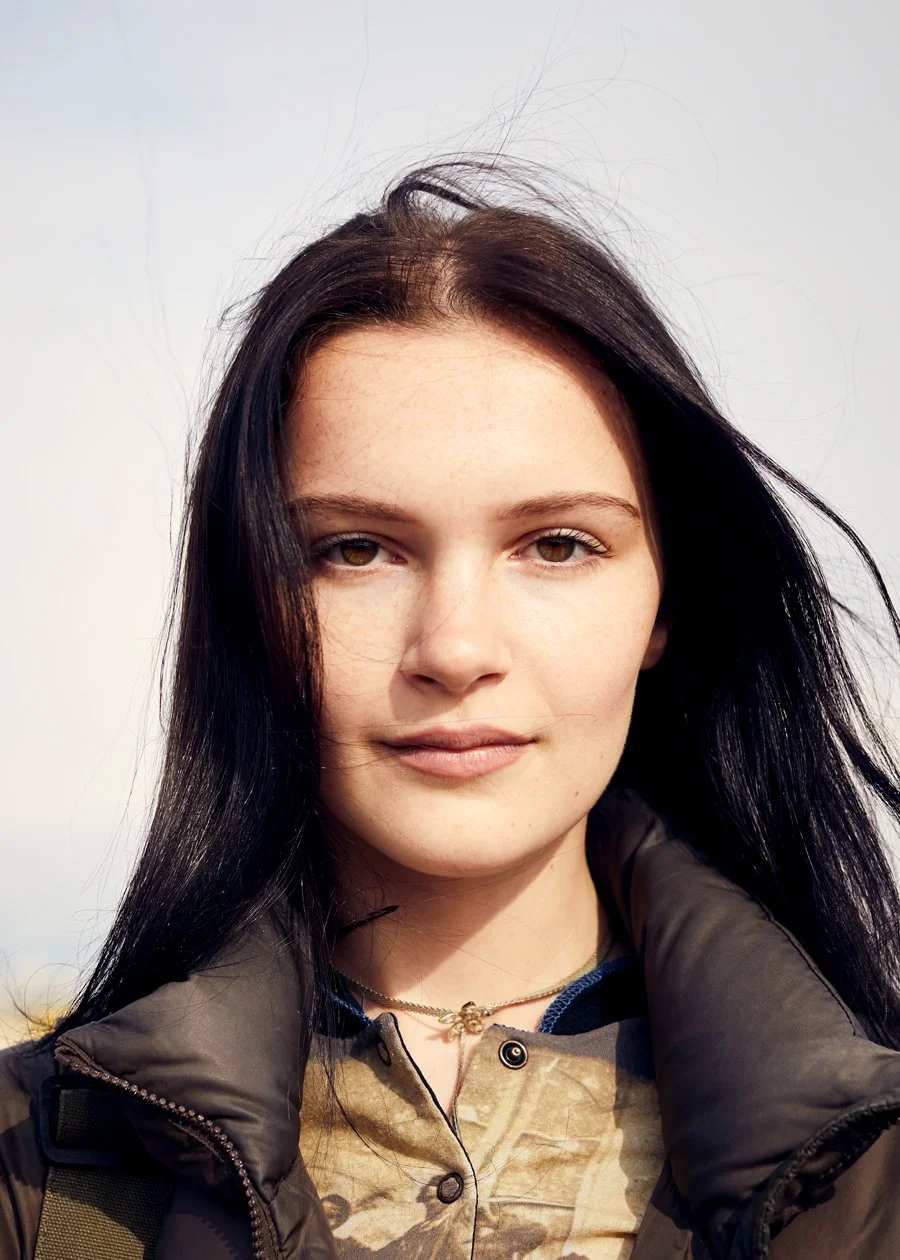
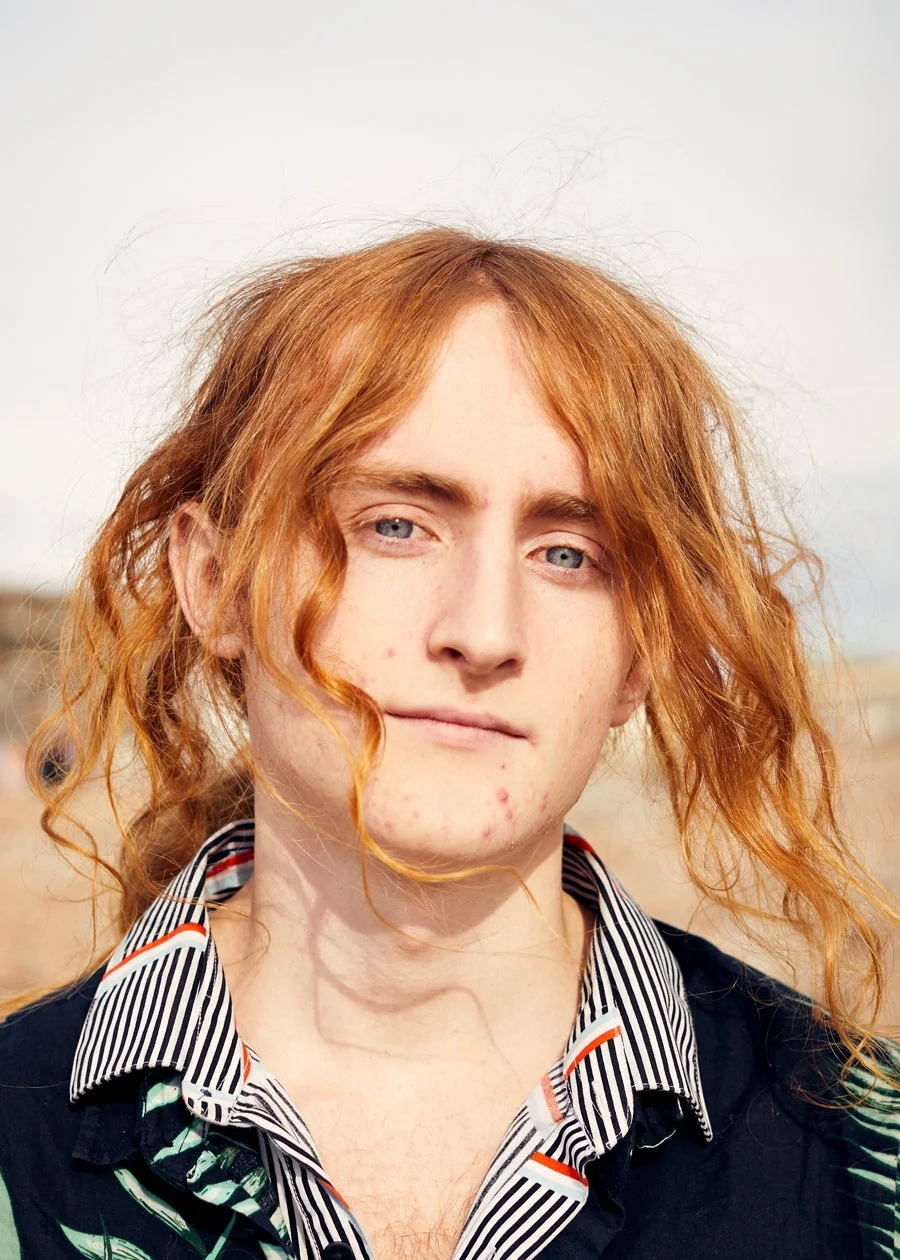
“It was inspiring to see local young people represented in the gallery as a collection”
— Portrait sitter
The impact of Interplace was felt both during and beyond the exhibition. Visitors described the installation as an inspiring space for reflection, storytelling, and connection, where people of different ages and backgrounds could see their lives and histories represented side by side.
The act of contributing to the evolving display fostered a sense of ownership and collective authorship, while the portraits of young people opened up conversations about the town’s future.
The project successfully demonstrated how photography can be a tool for community-building, memory-sharing, and imagining new possibilities together.
Exhibition took place at Colonnade House, Worthing